
Emergency Lighting
When fire or mains power failure strikes, emergency lighting can mean the difference between a safe evacuation and a dangerous one. It must activate instantly, illuminate escape routes clearly, and keep working for as long as it takes.
Our dedicated range of emergency lighting products is designed and manufactured in full compliance with BS EN 50171, ensuring suitability for buildings subject to strict fire prevention standards. Our Central Power Supply Systems (CPSS) and UPS are installed across thousands of schools, hospitals, shopping centres, and public buildings throughout the UK.
The three core types of emergency lighting:
-
Non-maintained — activates only on mains failure; off during normal operation
-
Maintained — illuminated at all times, using the same fittings for both normal and emergency use
-
Sustained — runs two separate lamps: one on mains supply, one on battery backup, ensuring continuous illumination whenever a building is occupied
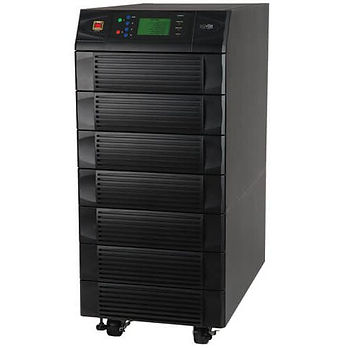
Tripp Lite SmartOnline 60kVA Modular 3-Phase UPS System
A high-capacity, double-conversion power protection unit designed for data centers and mission-critical industrial applications.
Emergency UPS: protecting life-safety systems when it matters most
In the event of a blackout, our emergency UPS systems provide immediate, reliable power to a full range of life-safety applications:
-
Emergency lighting
-
Automatic fire prevention systems
-
Alarms
-
Emergency detection systems
-
Smoke extraction equipment
-
Carbon monoxide detectors
These are not ordinary power protection applications — they demand resilience, simplicity, and provable regulatory compliance. Our emergency systems are built to deliver on all three:
-
Up to 3 hours autonomy (extended duration available on request)
-
Battery recharge to 80% in under 12 hours
-
Integrated battery monitoring system
-
Optional galvanic isolation of input and output
-
Advanced diagnostics with user-friendly display panel
-
High short-circuit current capability
EN 50171: Central Battery Systems
BS EN 50171 sets the European standard for central power supply systems providing independent energy to essential safety equipment — specifically systems permanently connected to AC supply voltages and using batteries as the backup power source.
Emergency lighting circuits are particularly susceptible to high inrush currents and power surges, placing significant demands on static inverters. To meet this, inverters must sustain continuous overload conditions without destabilising the load. Batteries must achieve an 80% recharge rate within 12 hours and deliver a minimum of three hours' run time following a full discharge — tested annually.
Selecting the right static inverter isn't just a technical decision — it's a compliance and liability one. UPS Power Keeper supplies and installs inverter systems that meet and exceed EN 50171 requirements, giving building owners and facilities managers the assurance they need.